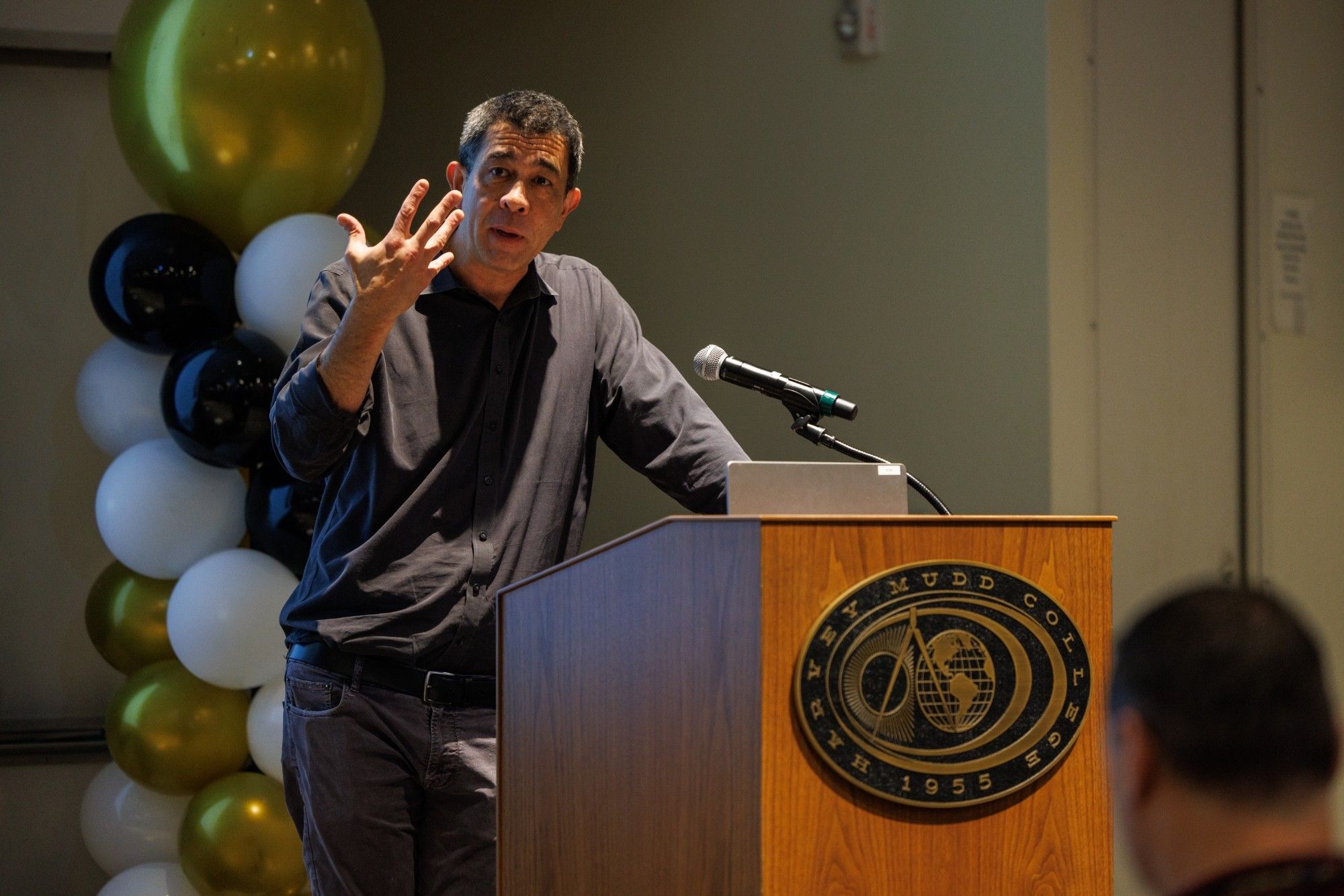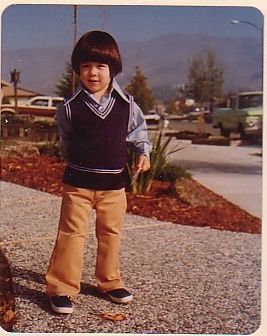
My parents were unintentional trendsetters of the “white male, Asian female” Silicon Valley archetype. I was born to a Japanese mother from Hawaii and a Scotch-Irish father from Santa Barbara, who met at Berkeley in the ’60s, well before the Summer of Love.
Growing up in Cupertino with both of them in the software industry, I had a normal childhood. I grew up surrounded by computers and learned to program at a young age. But I also wanted to be a Disney animator and Alex P. Keaton. I couldn’t draw, so I studied Computer Science with a minor in Economics at Harvey Mudd College. As a junior I toured the upstart VFX studio, Digital Domain, while the studio was working on Apollo 13, and saw that I could use computer science to help other people make art. That was the moment it clicked.
I didn’t know what I wanted to do. But looking back at what I loved as a kid, a mix of technology, art and business was always in my future, and I was lucky enough to find a career that merges all three.
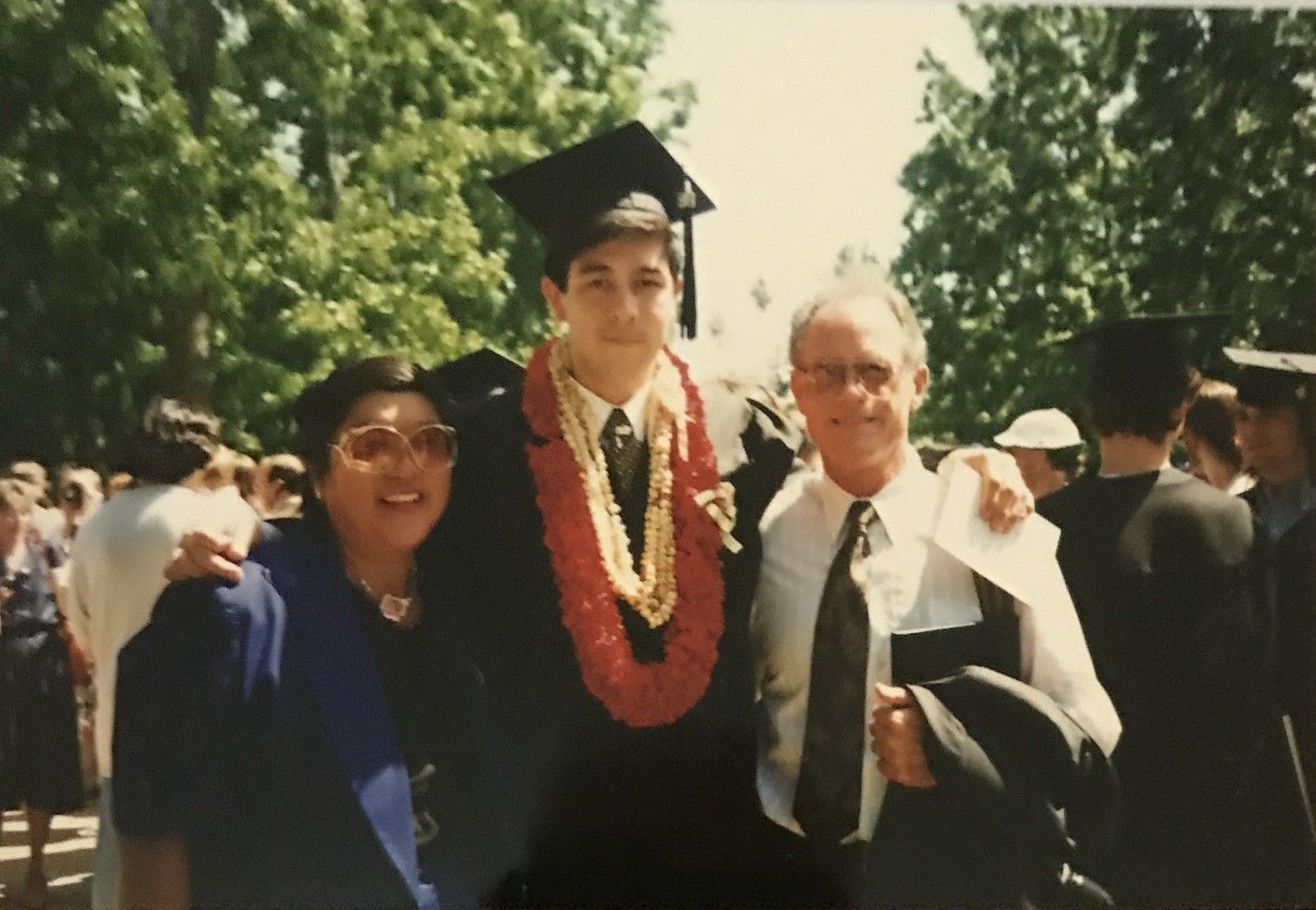
I joined Digital Domain (DD) after graduating in 1996, writing shaders, plugins, production pipelines, and even timecard systems. Over nearly ten years I grew from software engineer into managing the technical director department, adding the software department, and finally becoming Director of Technology, responsible for all technology at the studio. That team won several Scientific and Technical Academy Awards and first released Nuke, now the industry-standard compositing software, to the public.
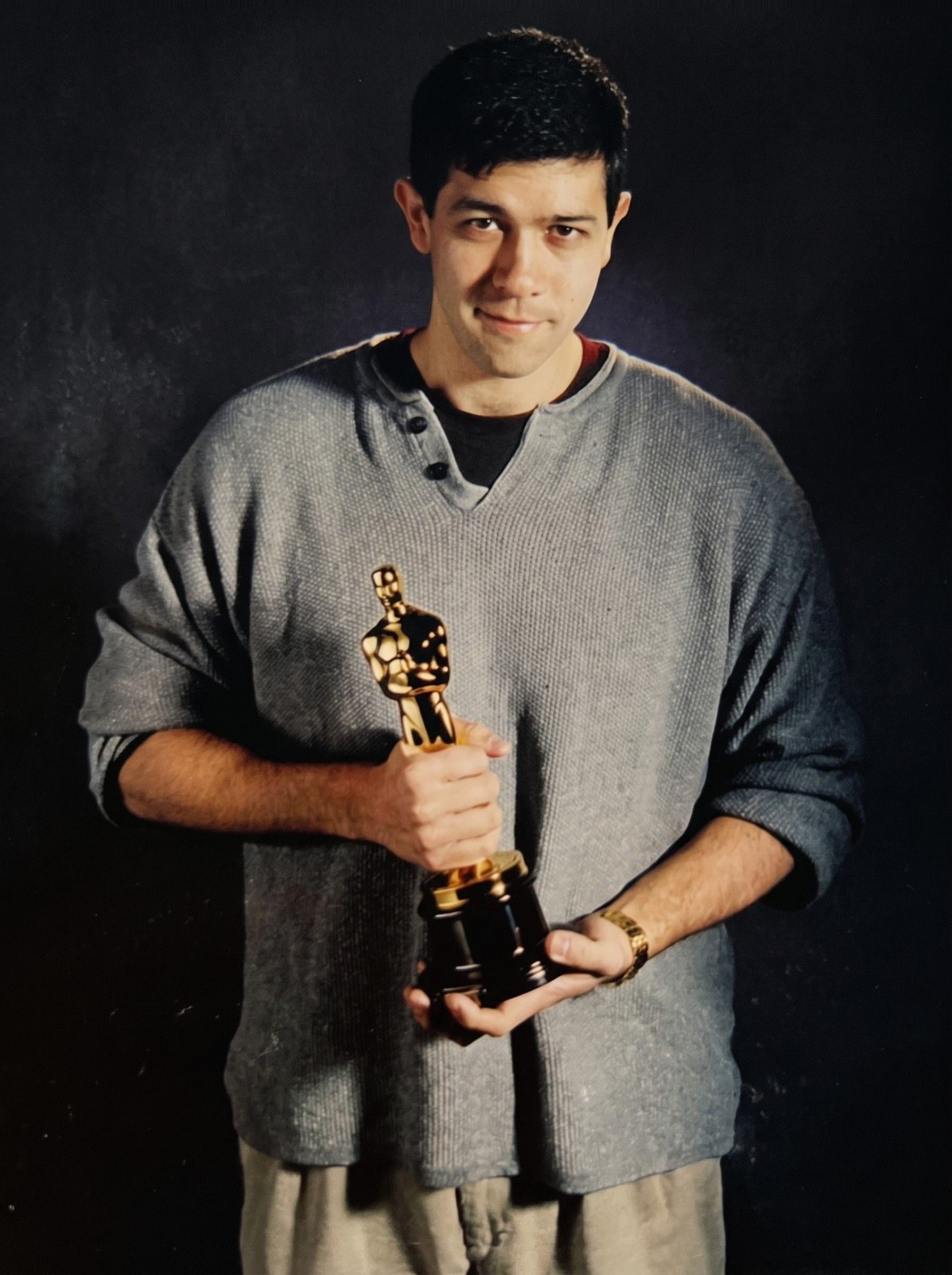
In 2006, I had the opportunity to do something very different and moved back to the Bay Area to join PDI/DreamWorks, DreamWorks Animation’s Bay Area studio. There, I led production technology across the studio’s sites, bringing motion capture, compositing and production shader writing into the pipeline, and guiding major initiatives in shading, lighting and animation. In 2011, I returned to Digital Domain as CTO of the now-public company. After helping DD through its bankruptcy and acquisition, I spent a brief stint as CTO of Method Studios.
The years that followed took me outside the studio walls: running AV engineering operations at Google, bringing the Arnold renderer’s team into Autodesk, serving as CTO of TouchCast, and advising studios and software companies. These experiences gave me such great perspective but ultimately, I truly love working close to and supporting artists making art.
So, in 2018, I joined Animal Logic as Group CTO. At Animal Logic I found the same sense of home I’d had in my first decade at DD. Animal Logic became part of Netflix in 2022, and in 2024 our teams unified with Netflix Animation Studios, where I lead global technology with teams in Burbank, Sydney and Vancouver.
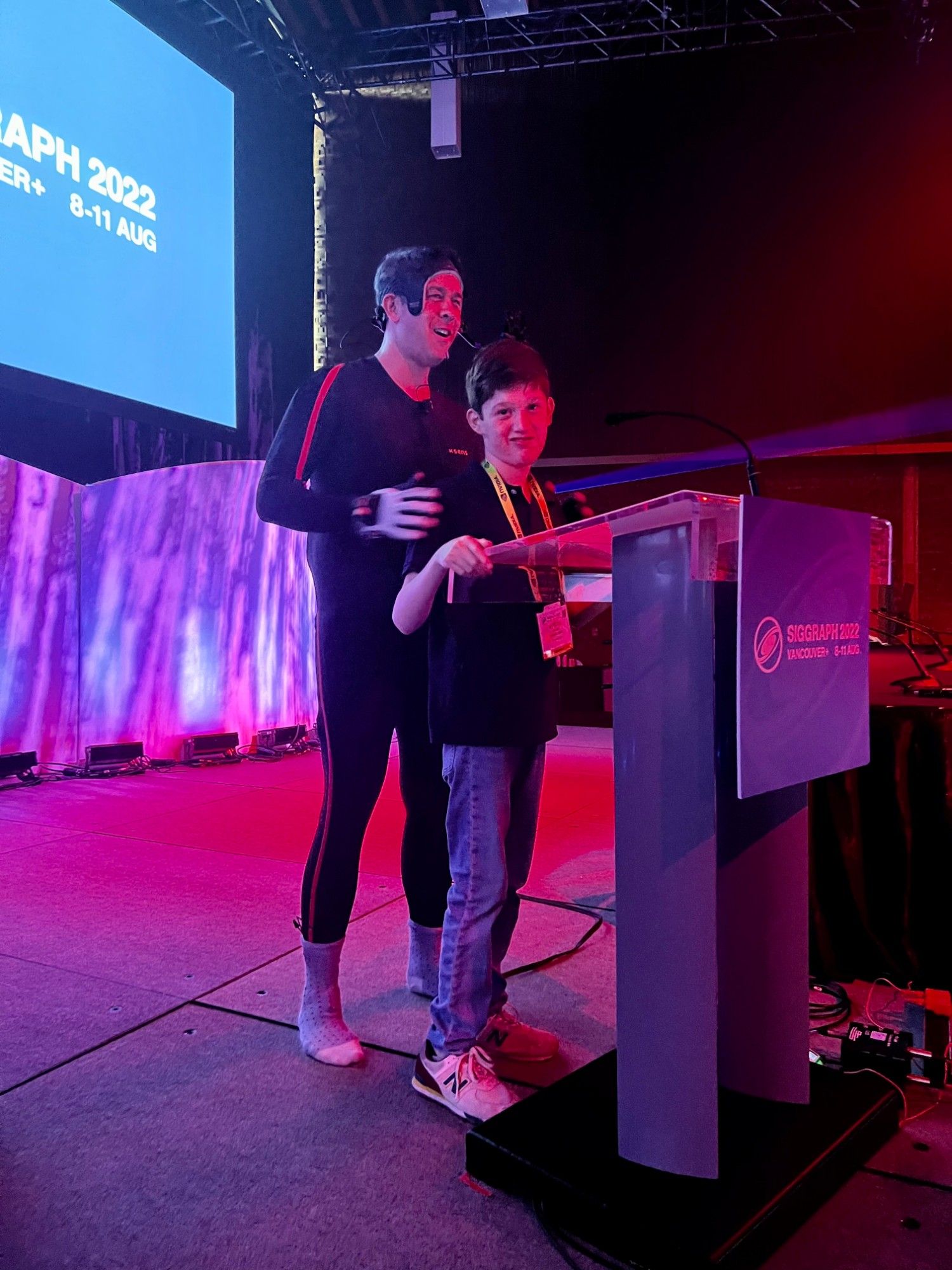
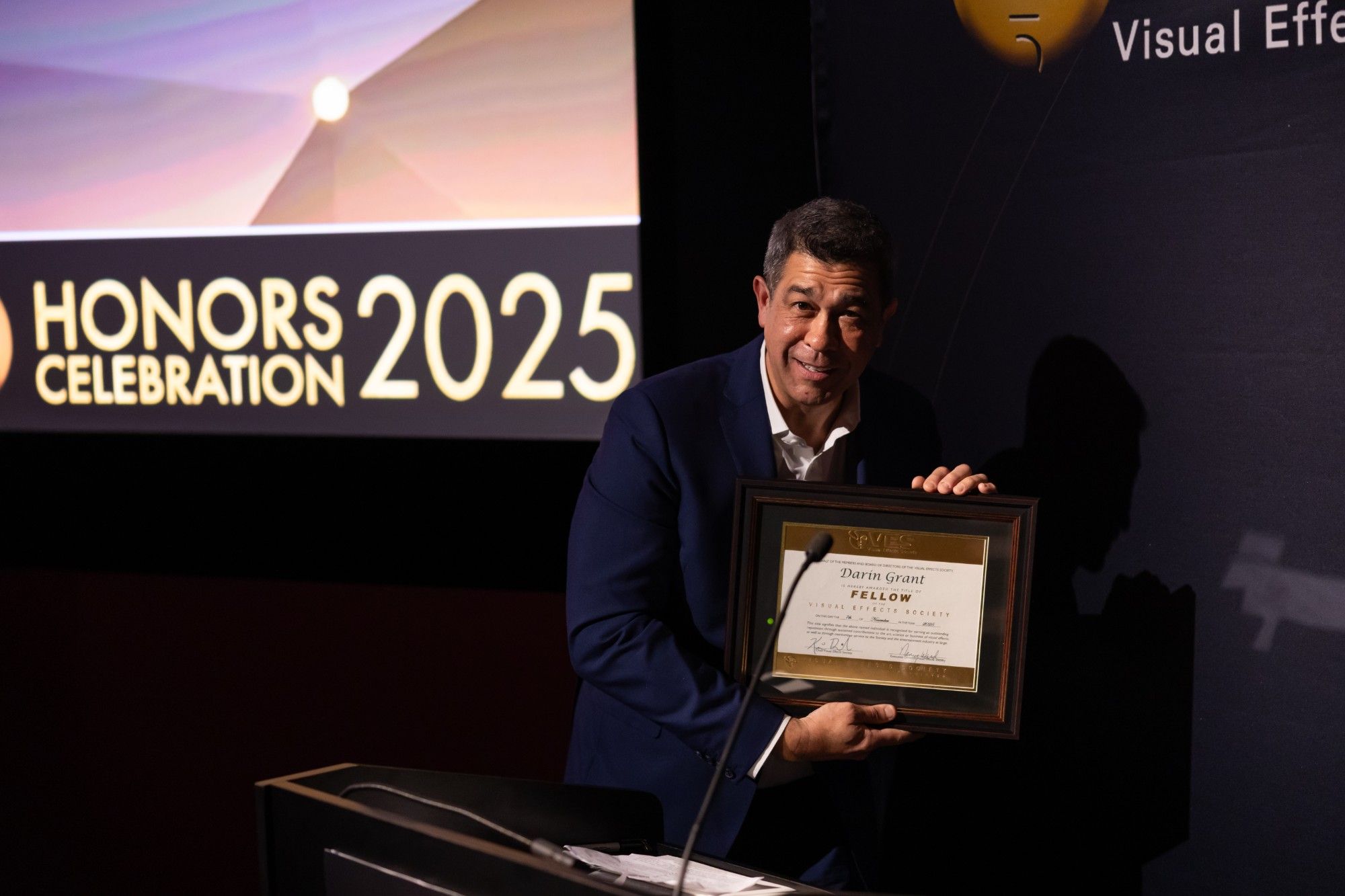
I’ve volunteered alongside every job I’ve had, starting with reviewing SIGGRAPH Sketches in 2001 and, so far, ending with running the SIGGRAPH organization and co-chairing the Academy’s Scientific and Technical Awards, the Oscars for film technology. It has shaped my career as much as any job.
Every pixel in an animated film depends on technology, but it’s a support role: we don’t build technology for technology’s sake. Success for me has turned out to be less about building technology myself than about building teams who love the craft and enabling artists as much as I do. The teams I’ve worked with and for are still what I’m proudest of.